
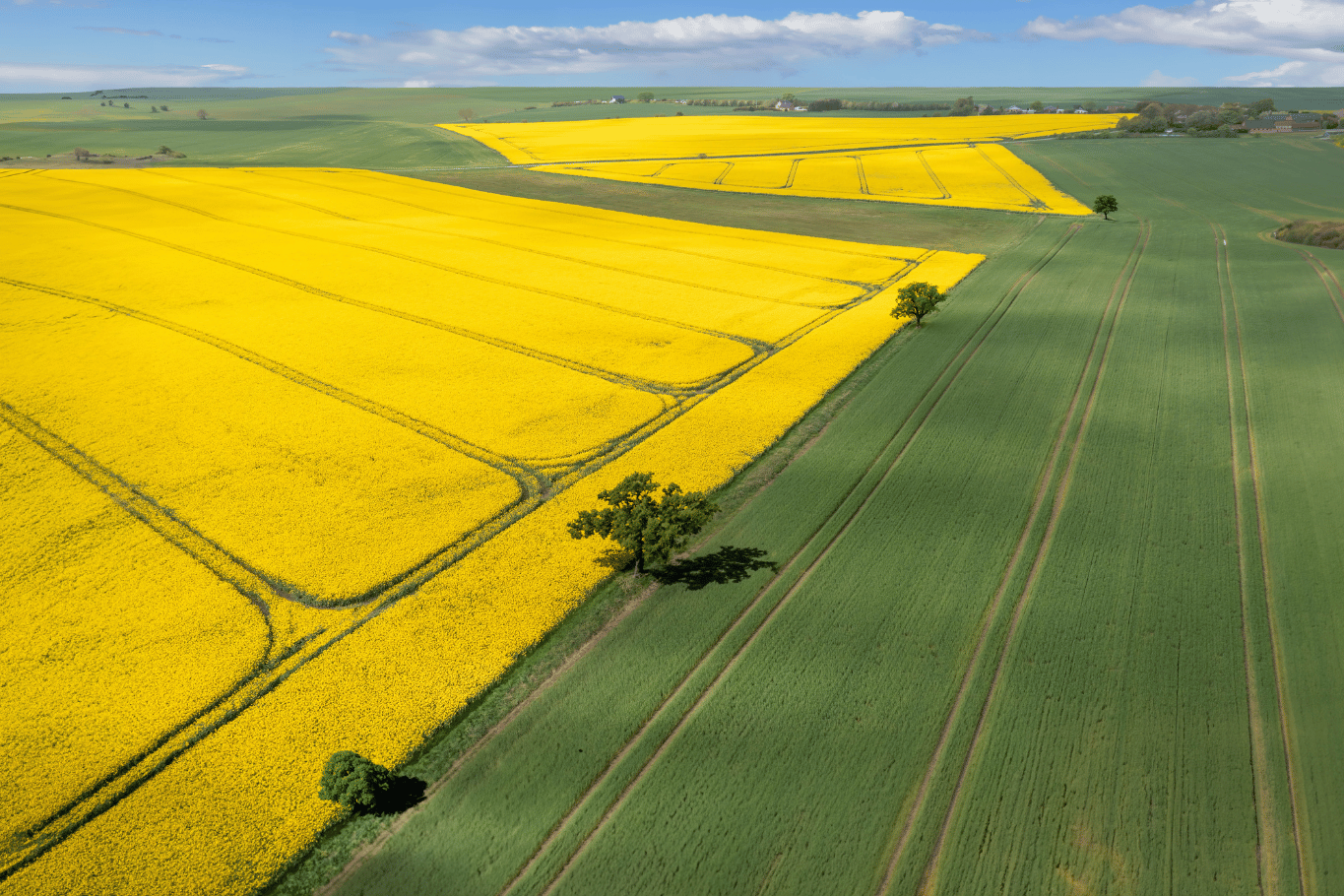
According to ABC News, in an effort to fight climate change and support biodiversity, Denmark has started a bold environmental plan to turn 10% of its farmland into forests and natural habitats over the next 20 years. The plan calls for planting 1 billion trees, cutting back on fertilizer use, and enacting a novel carbon tax on livestock.
The Land Conversion In Denmark
A major change to Denmark’s agricultural landscape is part of its ambitious environmental plan. Over the next 20 years, the program seeks to turn 10% of the nation’s agricultural land into forests and natural areas. This extensive land conversion is a component of a larger plan to use less fertilizer, which will help shield fjords and coastal waterways from damaging runoff. With an aim of planting one billion trees throughout the converted lands, the plan’s breadth is astonishing. By enhancing carbon sequestration, this enormous reforestation project will not only aid in the fight against climate change but also support biodiversity and establish new natural areas for enjoyment and wildlife.
Environmental Goals
The ambitious back-to-nature initiative in Denmark seeks to accomplish a number of important environmental goals. The main objective is to cut fertilizer use by 30% by 2030 in order to shield fjords and coastal waterways from damaging runoff. Water quality and marine ecosystems are anticipated to benefit greatly from this decrease in fertilizer consumption. Furthermore, the enormous reforestation project of planting one billion trees will help sequester carbon, assisting Denmark in achieving its climate change mitigation goals.
Additionally, by establishing new natural areas, the initiative aims to increase biodiversity. Denmark wants to give native plants and animals more room to flourish by turning 10% of its farms into forests and natural areas. This project supports the larger objectives of the European Union for sustainable land management and biodiversity conservation. The all-encompassing strategy, which combines land conversion, reforestation, and livestock emission reduction, shows Denmark’s dedication to tackling several environmental issues at once.
Tax On Livestock Emissions
Denmark is the first country in the world to address agricultural emissions with its innovative livestock carbon tax, which is scheduled to start in 2030. By 2035, farmers will pay 750 kroner ($108) in taxes for each ton of carbon dioxide equivalent that their livestock emits, up from 300 kroner ($43) now. But a 60% income tax deduction will lower the effective tax to 120 kroner ($17.30) per ton at first, and by 2035, it will have increased to 300 kroner ($43).
Methane emissions from livestock, which are major sources of greenhouse gas emissions, are the main objective of the levy. The average Danish dairy cow generates roughly 5.6 tons of CO2 equivalent per year, which translates to an estimated 672 kroner ($96) in taxes per cow annually. Denmark wants to cut greenhouse gas emissions by 70% from 1990 levels by 2030, and this creative legislation would encourage farmers to adopt more sustainable techniques and maybe lower herd sizes.
Strategy For Collaborative Implementation
A cooperative approach involving numerous stakeholders is expected to be used to carry out Denmark’s ambitious environmental plan. To ensure the effective implementation of this massive project, the Danish government has underlined the significance of collaborating closely with farmers, environmental groups, and local people.
The following are important facets of the cooperative implementation strategy:
Voluntary participation: With financial incentives offered to facilitate the transition, farmers will be urged to voluntarily convert their property.
Phased approach: Over the course of two decades, the plan will be implemented progressively, allowing for modifications and enhancements in response to continuing evaluations.
Public-private partnerships: Reaching the challenging tree-planting target will need cooperation between government departments, businesses, and nonprofit groups.
Community involvement: To ensure long-term sustainability and promote a sense of ownership, local communities will be involved in the development and implementation of reforestation projects.
In addition to encouraging public support and involvement in Denmark’s green transition, this cooperative model seeks to strike a balance between environmental objectives and the financial interests of farmers and rural communities.