
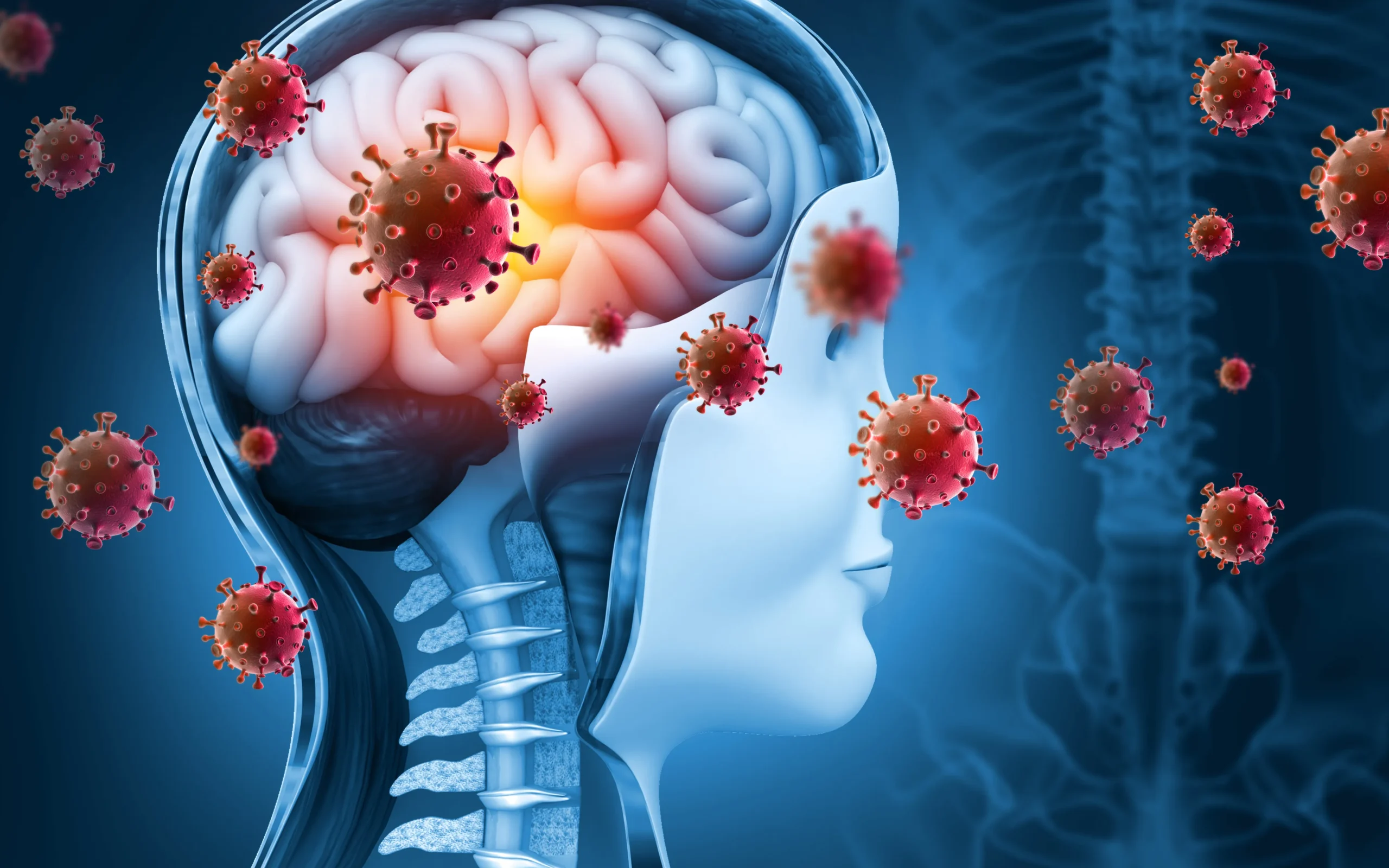
A troubling connection has recently been found between COVID-19 infection and heightened levels of biomarkers connected to aberrant brain proteins. According to studies, people infected with COVID-19 had higher levels of markers commonly associated with Alzheimer’s disease.
COVID-19 And Proteins In The Brain
Higher levels of biomarkers linked to defective amyloid proteins in the brain have been found to be significantly correlated with COVID-19 infection, according to research from Imperial College London. Significant impacts were seen, almost equal to four years of aging, with more noticeable alterations in those hospitalized with severe COVID-19 and those with underlying risk factors including high blood pressure or smoking. Due to the observational nature of the studies, researchers advise caution in interpretation, even if these data point to a possible acceleration of biological processes that contribute to amyloid formation in the brain.
Important Biomarkers In Patients
Numerous important biomarkers linked to COVID-19 and possible brain injury have been found by research. SARS-CoV-2 infection was linked to alterations in blood proteins linked to beta-amyloid (Aβ) pathology, a defining feature of Alzheimer’s disease, according to an analysis of 1,252 UK Biobank individuals. Researchers found that more vulnerable participants had lower plasma Aβ42 and higher plasma pTau-181 levels, as well as a lower plasma Aβ42:Aβ40 ratio. Those with a history of hypertension, those hospitalized with COVID-19, and those who were older showed these alterations more markedly.
These biomarker alterations were similar in magnitude to those linked to the APOE4 genetic variation, which is known to be a risk factor for Alzheimer’s disease. Crucially, these changes were linked to lower results on cognitive tests, lower assessments of general health, and milder modifications in neurodegenerative brain imaging patterns. These results imply that COVID-19 might have important neurological effects, possibly quickening the aging and cognitive decline processes associated with the brain.
Clinical Significance Of The Results
Although the detected biomarker alterations point to possible neurological effects of COVID-19, scientists advise being cautious when interpreting these results. Determining clear causal linkages between COVID-19 and dementia is impossible due to the observational character of the investigations. It is still unknown if these side effects are unique to SARS-CoV-2 infection or if they can be linked to other prevalent illnesses. However, the existence of these indicators emphasizes how crucial it is to keep an eye out for any neurological issues in COVID-19 individuals, especially in more severe cases. 21 days after infection, some biomarkers, like NSE, exhibit notable declines, suggesting a possible recovery from acute neurological damage. These results underline the necessity for more investigation to completely comprehend the long-term neurological effects of COVID-19 and to create focused therapies for those who are impacted.