
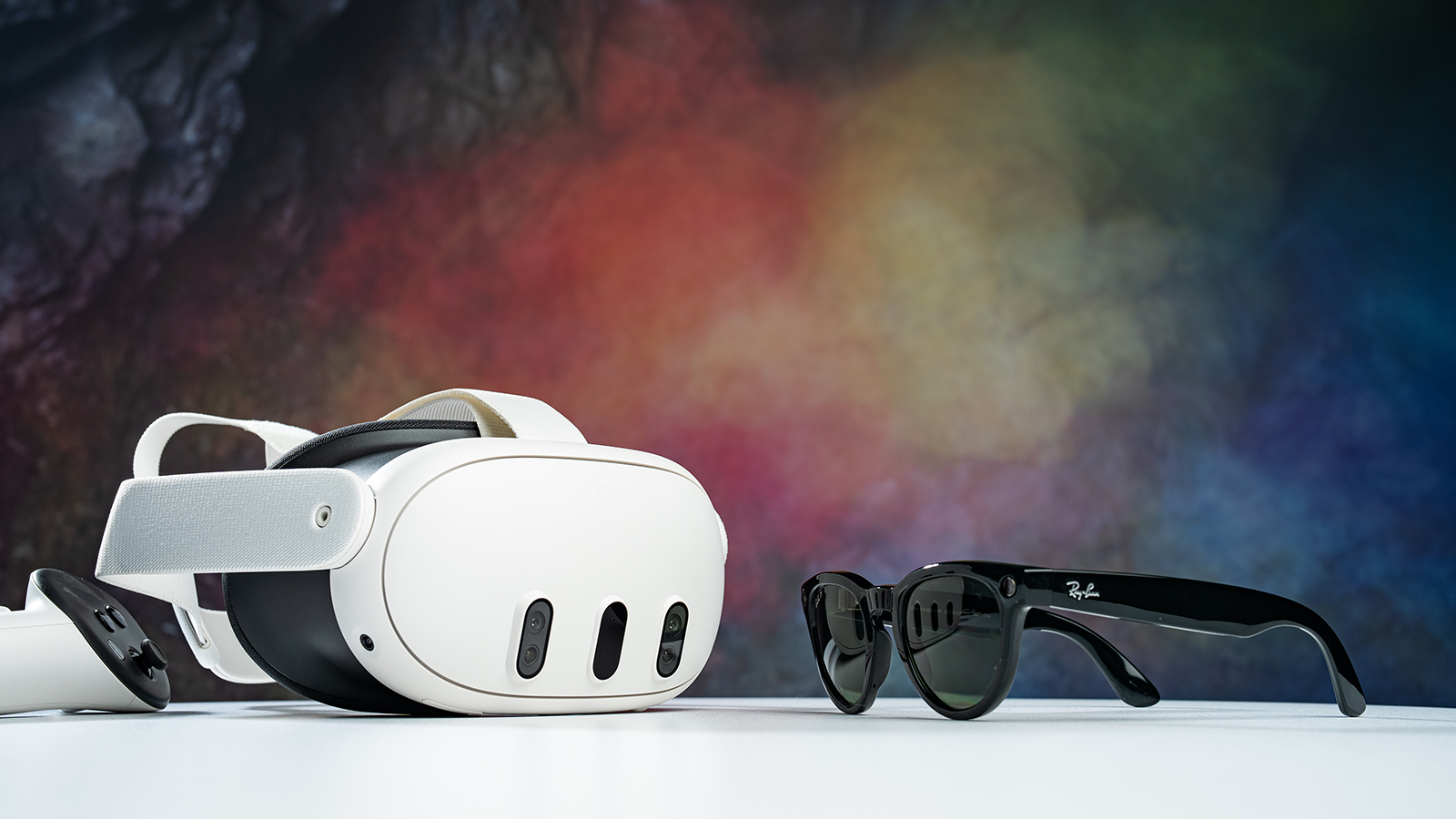
More than 1,000 workers in Meta Platforms’ Reality Labs division have started receiving layoff notices, signaling a clear break from the company’s previous aspirations for virtual reality and the metaverse. Teams working on VR headsets and Horizon Worlds, Meta’s VR-based social network, will be disproportionately affected by the cuts, which were revealed Tuesday morning and account for about 10% of the division’s 15,000 employees.
In an internal memo seen by Bloomberg, Chief Technology Officer Andrew Bosworth notified the impacted staff that resources will be diverted to AI-powered wearables and smartphone features. The action shows that Meta’s expensive metaverse concept, which forced CEO Mark Zuckerberg to rebrand the business from Facebook in 2021, has not caught on with the general public.
A $70 Billion Wager Gone Wrong
One of the most costly ventures in tech history, Reality Labs has incurred operating losses of almost $70 billion since 2021. The division has continuously recorded quarterly losses of several billions of dollars; in the third quarter of 2025 alone, it lost $4.4 billion. Even with the enormous expenditure, Meta’s virtual reality headsets have had trouble attracting a large consumer base.
In an internal memo, Bosworth referred to Wednesday’s all-hands meeting as the “most important” of the year, and managers are pressing staff members to attend in person. The meeting is anticipated to present the division’s reorganized priorities.
The New Focus Is AI Glasses
Meta’s AI-powered Ray-Ban smart spectacles have become a rare hardware hit while virtual reality fades. Since its October 2023 release, the glasses have sold over two million pieces. According to Bloomberg, Meta and EssilorLuxottica are talking about perhaps tripling production capacity to 20 million units yearly by the end of 2026, which is a sign of increased confidence.
It is anticipated that the augmented reality hardware team, which creates wristband-based computers and smart eyewear, will mostly avoid layoffs. Zuckerberg referred to smart glasses as “the main way that we integrate superintelligence into our day-to-day lives” during an earnings call last summer.
A Future With Less VR
Meta maintains that it is not completely giving up on virtual reality. The VR division would “operate as a leaner, flatter organization with a more focused road map to maximize long-term sustainability,” according Bosworth’s memo. But instead of the immersive VR experiences that were first planned, the company’s metaverse plans will now “almost exclusively” center on mobile devices.
The layoffs come after officials discussed budget cutbacks of up to 30% for the metaverse group at Zuckerberg’s Hawaii property last December. With tens of billions planned for data centers, Meta is stepping up its AI efforts, perhaps putting an end to the virtual worlds that once had the potential to revolutionize the internet.