
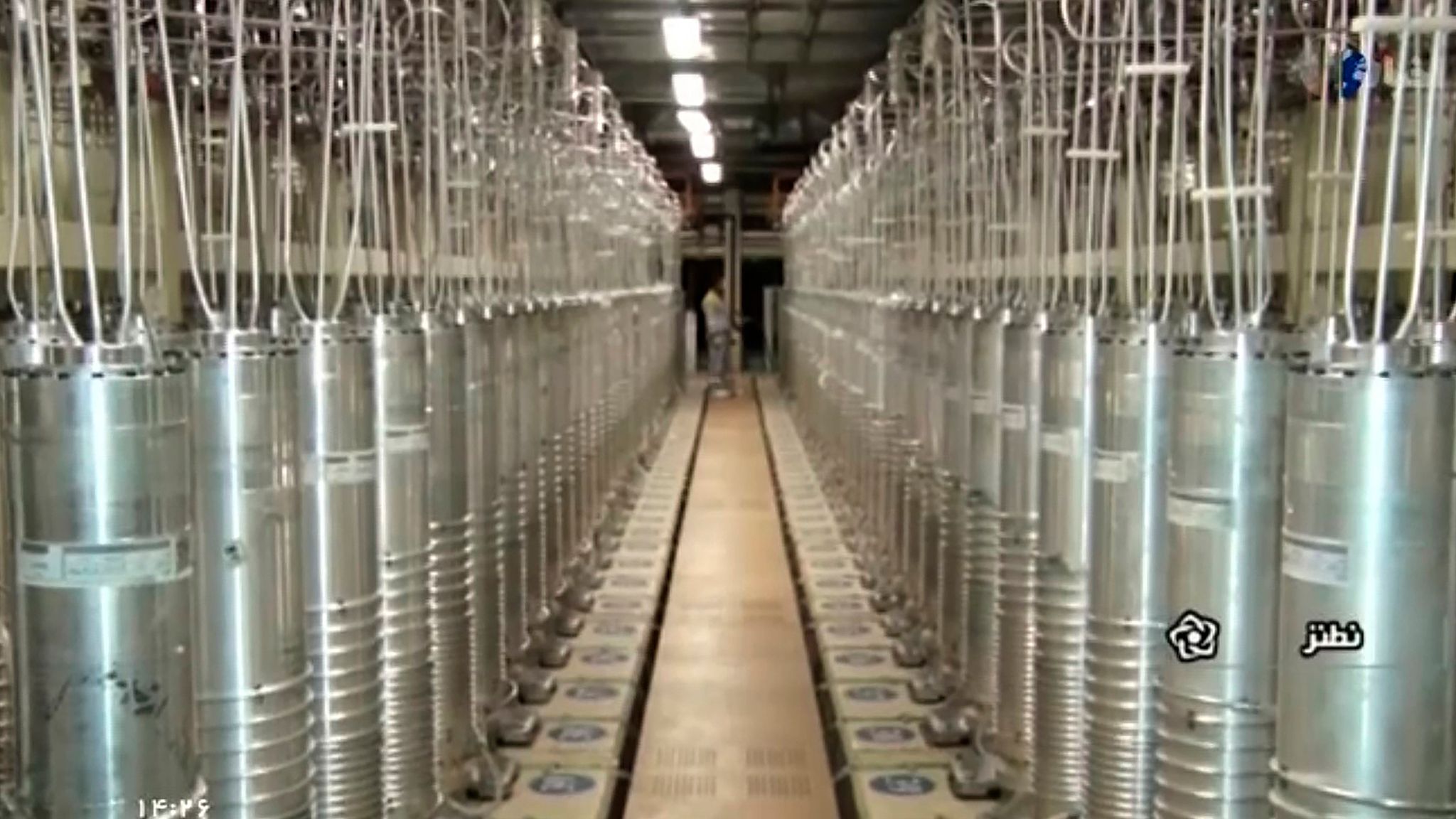
Iran’s Supreme Leader’s order that the nation’s near-weapons-grade enriched uranium must stay on Iranian territory shocked markets on Thursday, wiping out most of the optimism that had momentarily raised investor confidence the day before.
Khamenei’s Directive Hardens Tehran’s Position
According to two senior Iranian officials cited by Reuters, Supreme Leader Mojtaba Khamenei issued directives prohibiting the export of Iran’s highly enriched uranium stockpile, which is one of Washington’s main objectives in the ongoing peace talks. One of the sources told Reuters, “The Supreme Leader’s directive, and the consensus within the establishment, is that the stockpile of enriched uranium should not leave the country,” adding that Iranian officials think sending the material abroad would make the nation more susceptible to future attacks by Israel and the United States.
Tehran’s negotiating stance has hardened as a result of the decision, which directly contradicts promises made by President Trump, according to Israeli officials, that any peace agreement must have a provision mandating the removal of Iran’s highly enriched uranium. As part of any framework agreement, the United States has insisted that Iran transfer its current stockpile overseas and stop enrichment for a minimum of 12 years.
Shifting signals cause the markets to whipsaw. The study was released only hours after Trump’s remarks to reporters on Wednesday that negotiations with Iran were in their “final stages,” cautioning that “either we have a deal or we’re going to do some things that are a little bit nasty,” caused markets to rise. Both Brent and WTI crude fell more than 5.6% to their lowest levels in almost a week on Wednesday as a result of those comments, sparking a dramatic oil sell-off.
Oil prices changed direction on Thursday. As markets reevaluated the possibility of a deal, Brent crude futures rose to about $105.80 per barrel and West Texas Intermediate to about $99.10 per barrel. S&P 500 and Nasdaq 100 contracts withdrew from Wednesday’s gains as U.S. stock index futures opened lower.
The Diplomatic Divide Is Still Wide
The deadlock is a reflection of the profound division that has endured over the course of months of talks that Pakistan has played a major role in mediating. Iran demands an end to military operations, the lifting of the naval blockade on its ports, and the reopening of the Strait of Hormuz, while the United States wants Iran to stop enrichment for 20 years and remove its stockpiles. After six weeks of fighting that started with joint U.S.-Israeli attacks on February 28, a truce has been in place since April 8, but a long-term peace deal is still elusive.