
The Rundown
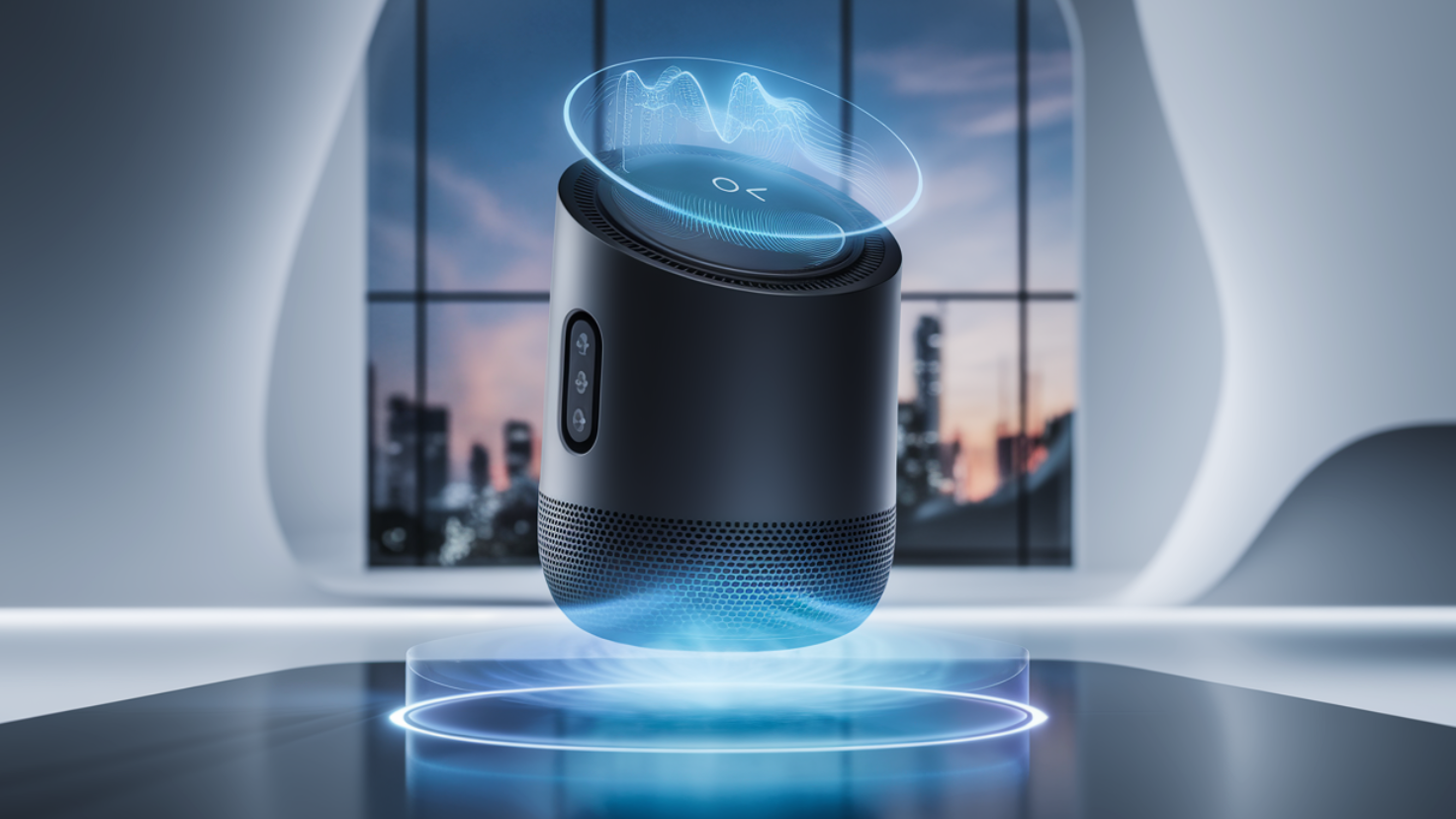
OpenAI is reportedly preparing to launch its first-ever consumer hardware product — a smart speaker priced between $200 and $300. According to reports, the device will include a built-in camera and facial recognition for seamless purchases, with a target release window of early 2027.
How This Project Started
The hardware push began after OpenAI acquired Jony Ive’s startup, Io Products, in a $6.5 billion deal in May. The acquisition brought in a team of former Apple veterans to lead product design, engineering, and supply chain operations.
Ive’s design firm, LoveFrom, is reportedly overseeing the device’s aesthetic and user experience, while OpenAI’s internal hardware team focuses on technical development and manufacturing.
The collaboration hasn’t been entirely smooth, with reports of internal tensions over design revisions and secrecy — but momentum appears to be building toward launch.
What The Smart Speaker Could Do
Unlike traditional smart speakers, this device may go far beyond voice commands.
Here’s what’s rumored:
- Built-in camera that observes surroundings
- AI that “nudges” users toward actions
- Facial recognition (Face ID-style) authentication for purchases
- Context-aware interactions powered by advanced AI models
If accurate, this would position the device as a proactive AI assistant — not just a voice-activated speaker, but something that understands context, environment, and user identity.
What’s Next: Glasses And Beyond
The smart speaker may only be the beginning. Reports suggest:
- AI-powered smart glasses (not expected before 2028)
- A smart lamp prototype already in development
This signals a broader hardware ecosystem strategy — potentially positioning OpenAI as a serious competitor in AI-first consumer devices.
The Competitive Landscape
The timing is critical.
Apple is accelerating its AI device ambitions.
Amazon continues expanding Alexa capabilities, including its upgraded Alexa+ experience.
OpenAI has never shipped a physical product before, making this launch a high-stakes move. The combination of OpenAI’s AI expertise and Jony Ive’s design reputation creates enormous expectations — but also immense pressure.
Why It Matters
This isn’t just another smart speaker.
If successful, it could redefine how AI integrates into daily life — moving from screen-based interactions to ambient, always-present intelligence embedded in physical space.
With competitors moving quickly, OpenAI’s first hardware release could determine whether it leads the next wave of AI devices — or plays catch-up in a category already taking shape.
Early 2027 could mark the beginning of OpenAI’s hardware era.