
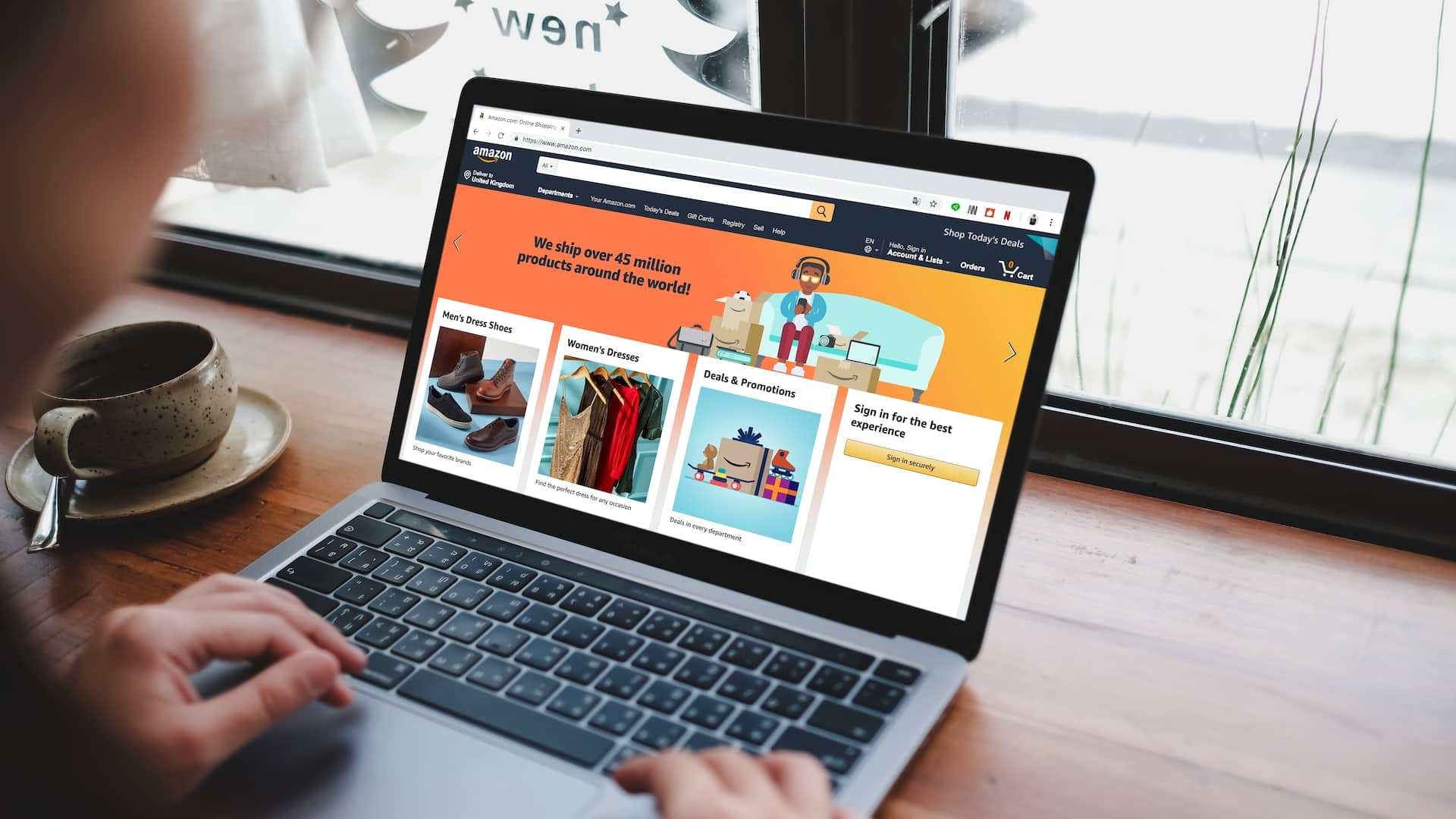
Amazon has abruptly stopped all of its global expenditure on Google Shopping ads, ending a strategic partnership that brought Google millions of dollars in revenue while opening up new avenues for rival retailers in foreign regions.
Between July 21 and 23, 2025, the e-commerce behemoth withdrew, causing its impression share to plummet from 60% to zero in the US and 55% to zero in the UK, as well as seeing comparable drops in Germany, Japan, and other significant regions. The action, according to industry observers, was “colossal” and unheard of since Amazon halted its advertising during the 2020 pandemic lockdowns.
The Exit’s Strategic Calculations
Rather than being a snap decision, Amazon’s choice seems to have been planned for months. In May 2025, the firm cut its Google Shopping ad investment in the United States by 50%, indicating an early retreat before the full withdrawal in July. Mike Ryan, Head of Ecommerce Insights at Smarter Ecommerce, claims that Amazon has abruptly stopped using Google Shopping for product promotion internationally. For Alphabet Inc., the parent company of Google, they are a huge source of income.
Experts in the field offer a number of explanations for the withdrawal. To find out if Google advertisements actually increase sales or just satisfy current demand, Amazon might be doing incrementality testing. The change might be a bargaining ploy to pressure Google for cheaper advertising rates, and the timing after Prime Day signals possible cost optimization during slower retail periods.
Market Effects And Prospects For Rivals
For competitor merchants who previously faced Amazon’s aggressive bargaining, the withdrawal provides instant advantages. Amazon usually showed up in about 30% of Google Shopping auctions, so its absence is important for market dynamics, according to Josh Duggan, co-founder of Vervaunt.
Following Amazon’s departure, early signs suggest cost-per-click rates declining 4-12%; however, these declines are still within typical market variations. Since July 23, rivals like Walmart, Target, and Home Depot have already seen a 20% boost in their impression share.
However, the absence of Amazon might not have the same positive impact on smaller merchants. Larger rivals with bigger advertising budgets are better positioned to take over the vacant auction space, according to industry assessments, which might keep smaller companies under pressure to compete.
Both sponsored ads and free product listings are impacted by the removal; some experts have observed that Amazon seems to be totally cut off from Google’s Merchant Center infrastructure. This thorough exit points to a strategy change away from short-term cost-cutting tactics.
The action was taken by Amazon as it fortifies its internal advertising ecosystem, which in 2025 brought in more over $60 billion in retail media income. Amazon keeps more control over consumer information and shopping experiences while establishing itself as the third-largest digital advertising platform after Google and Meta by diverting resources from Google Shopping to internal advertising products like Sponsored Products and Prime Video ads.