
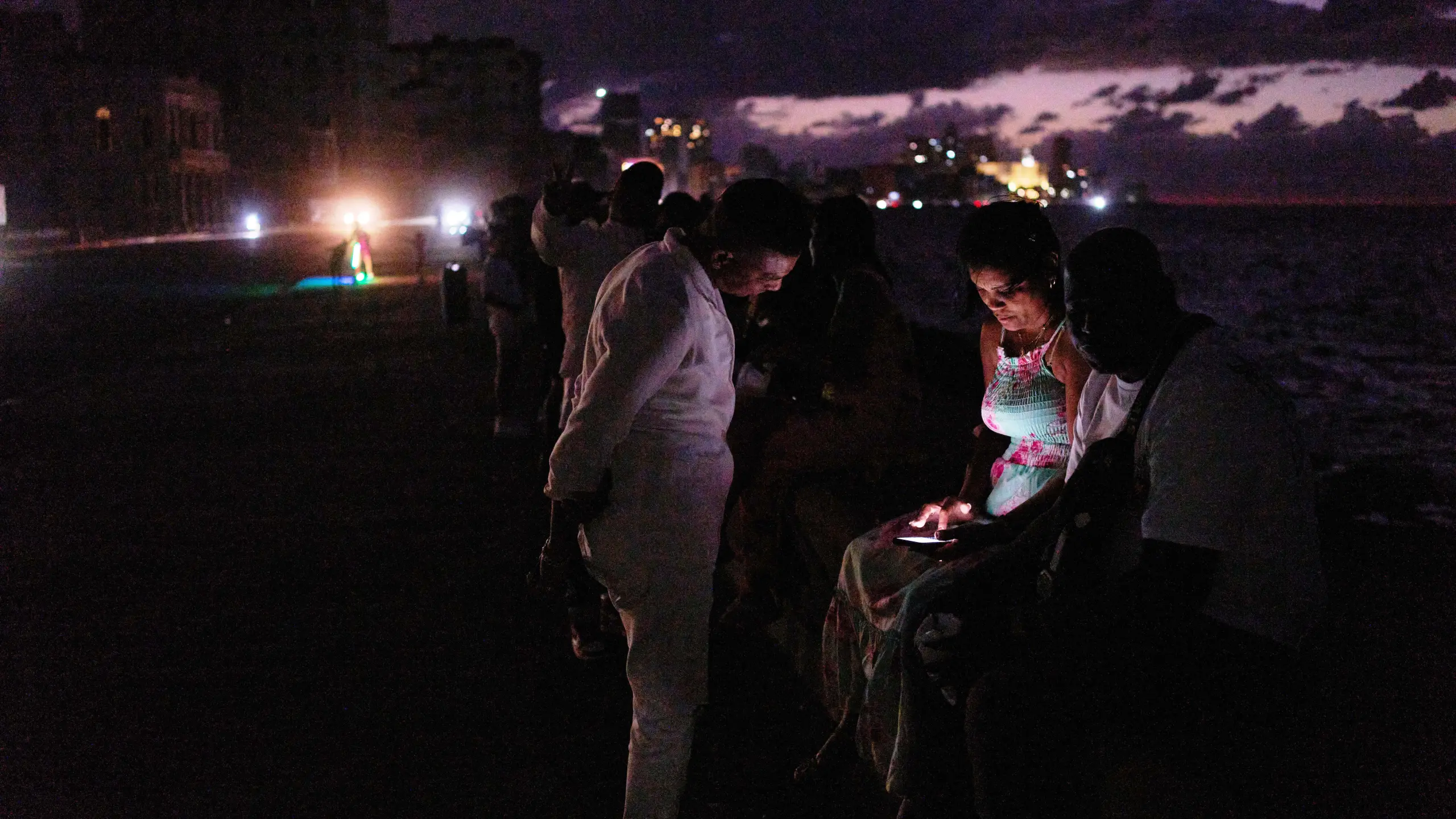
According to the nation’s energy ministry, Cuba’s national power grid failed on Tuesday, resulting in the third complete blackout in only nine days and putting around 10 million people in the dark once more. The failure comes after the most concentrated sequence of outages in the island’s recent history, grid collapses on July 6 and July 10.
A Siege Grid
Cuba is essentially unable to power its aging thermoelectric facilities due to a fuel shortage, which is causing cascade failures. In May, Cuba’s Minister of Energy and Mines declared that the island had completely run out of diesel and fuel oil, both of which are necessary to keep the electrical grid running. Because the state-run Electric Union (UNE) produces only a small portion of the country’s peak demand, provinces across the island are experiencing daily blackouts lasting up to 18 hours.
When the collapse happened on July 6, about two-thirds of the nation had already lost electricity, according to Reuters. Blackouts lasted more than 30 hours in certain districts of Havana and more than 70 hours in some rural areas, according to Al Jazeera. Since then, things have only gotten worse.
As the island grows darker, sanctions tighten.
According to UPI and NBC Miami, the Trump administration increased sanctions on Cuba’s tourist ministry, energy firms, and commerce sectors on Sunday. The actions prohibit Americans from conducting business with the sanctioned organizations and freeze assets located in the United States. They expand on Executive Order 14404, signed May 1, which permitted wide secondary penalties against foreign companies and financial institutions engaged in Cuba’s energy, defense, and banking sectors.
After threatening to impose tariffs on countries that send petroleum to Cuba, the United States established what observers refer to as an energy embargo in January 2026. Only around 40% of Cuba’s fuel demands are met by domestic production; therefore, imported oil is necessary for key utilities like water systems and hospitals.
Growing Political Backlash
The U.S. energy embargo was likened to a “silent Gaza,” according to the Washington Post, by four Democratic members of Congress who recently visited Cuba. Speaking from Spain, Cuban lawmaker Elián González described the embargo as “genocidal,” claiming that it is “killing Cubans, it’s killing children.”
Bruno Rodríguez, the foreign minister of Cuba, compared the petroleum blockade to an act of aggression during a 25-minute speech before the UN on July 6. In April, a Senate attempt to compel the president to obtain congressional approval before upholding the embargo failed 51-47 along party lines.
According to experts, ending the sanctions and investing billions in infrastructure would be necessary to resolve the issue, neither of which seems likely.