
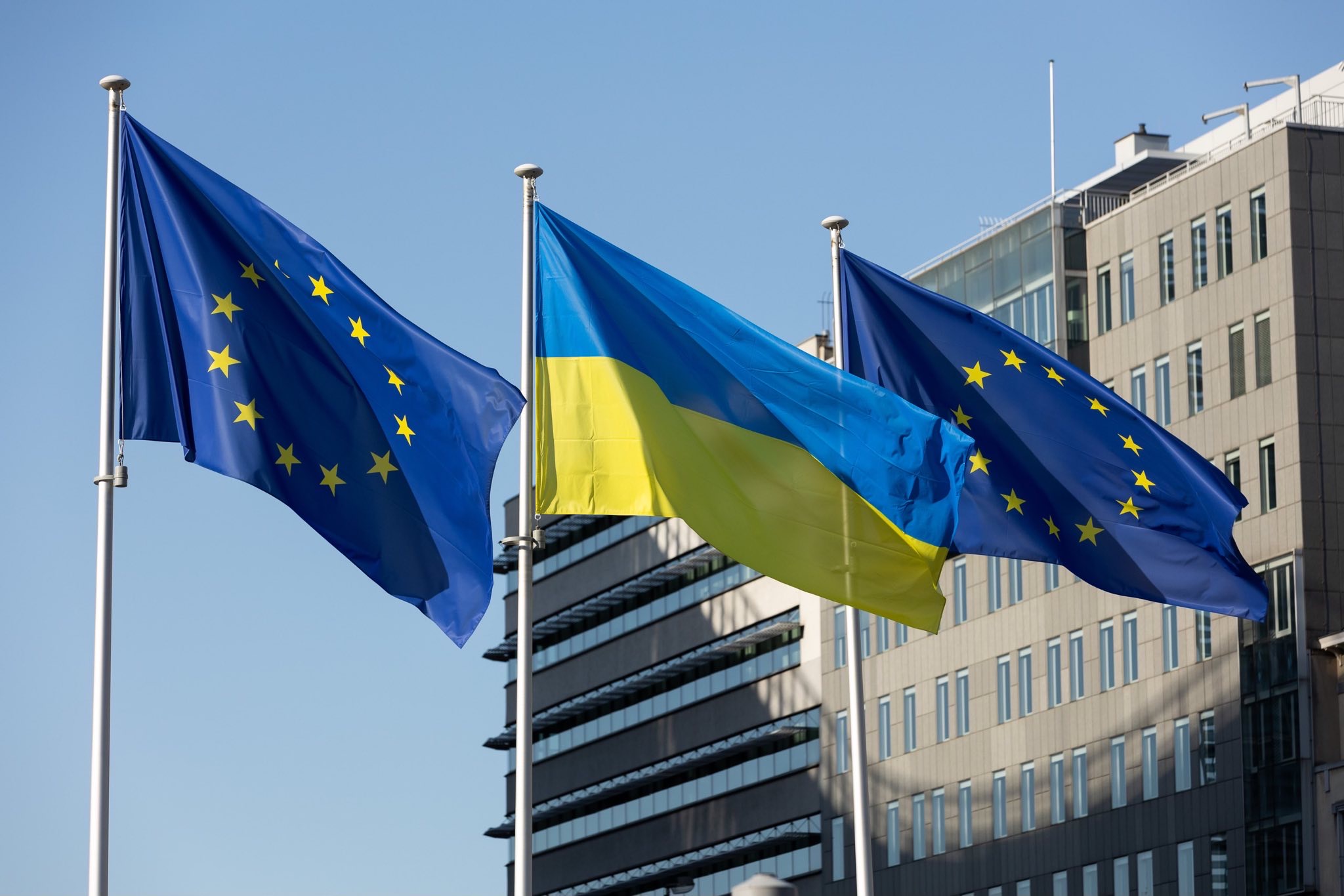
According to the Kyiv Post, the European Commission is getting ready to suggest that the first round of EU membership talks with Ukraine and Moldova begin on June 16. EU leaders are anticipated to approve the proposal at their summit on June 18–19. This comes after Hungary’s veto under former Prime Minister Viktor Orbán caused an impasse for almost two years.
The New Government Of Hungary Paves The Way
The primary political barrier that had stalled Ukraine’s and Moldova’s accession process since mid-2024 has been lifted with the election of Páv Magyar as prime minister on May 9. Despite the formal start of accession talks in June 2024 at the first intergovernmental session in Luxembourg, Hungary’s opposition has prevented the opening or closing of any negotiating chapters.
According to EU Enlargement Commissioner Marta Kos, Cluster 1, “Fundamentals,” which covers public administration, democratic institutions, and economic criteria, may be opened under the Cypriot Council’s presidency, which ends on June 30. Ireland’s presidency will take over for the remaining five clusters starting in July. To obtain Budapest’s official permission, a meeting between Magyar and Ukrainian President Volodymyr Zelensky is expected in early June.
Kyiv Rejects Alternatives And Strives For Full Membership
In a May 26 interview with Euronews, Taras Kachka, Ukraine’s Deputy Prime Minister for European and Euro-Atlantic Integration, stated that “there are no alternatives for the fast, merit-based, but full membership in the European Union”. Kachka was reacting to suggestions made by France and Germany that included ideas like “integrated state status” or “associate membership”—models that would allow some EU involvement without the ability to vote.”We think all six clusters can be open already in June,” Kachka stated, noting that Ukraine is “already behind the deadline.” He has previously said that some chapters may close by the end of 2026 if clusters are formally launched by June, and that an accession treaty may be developed and completed in 2027.
Brussels’ Cautious Voices
Not every member state feels the same urgency as Kyiv. According to RFE/RL, members of Eastern Europe are worried about the division of cohesion and agriculture funding, while France remains concerned that Ukraine’s rapid accession could become a liability in the upcoming presidential election. The most widely held belief in Brussels is that only the basics cluster will open in June, with chapters on internal markets and external relations possibly included as a compromise.
Ukraine is “more than ready” for the first cluster opening, according to Croatian Foreign Minister Andreja Metelko-Zgombić on May 25. Following discussions with his Hungarian colleague, Ukrainian Foreign Minister Andrii Sybiha confirmed the same objective.