
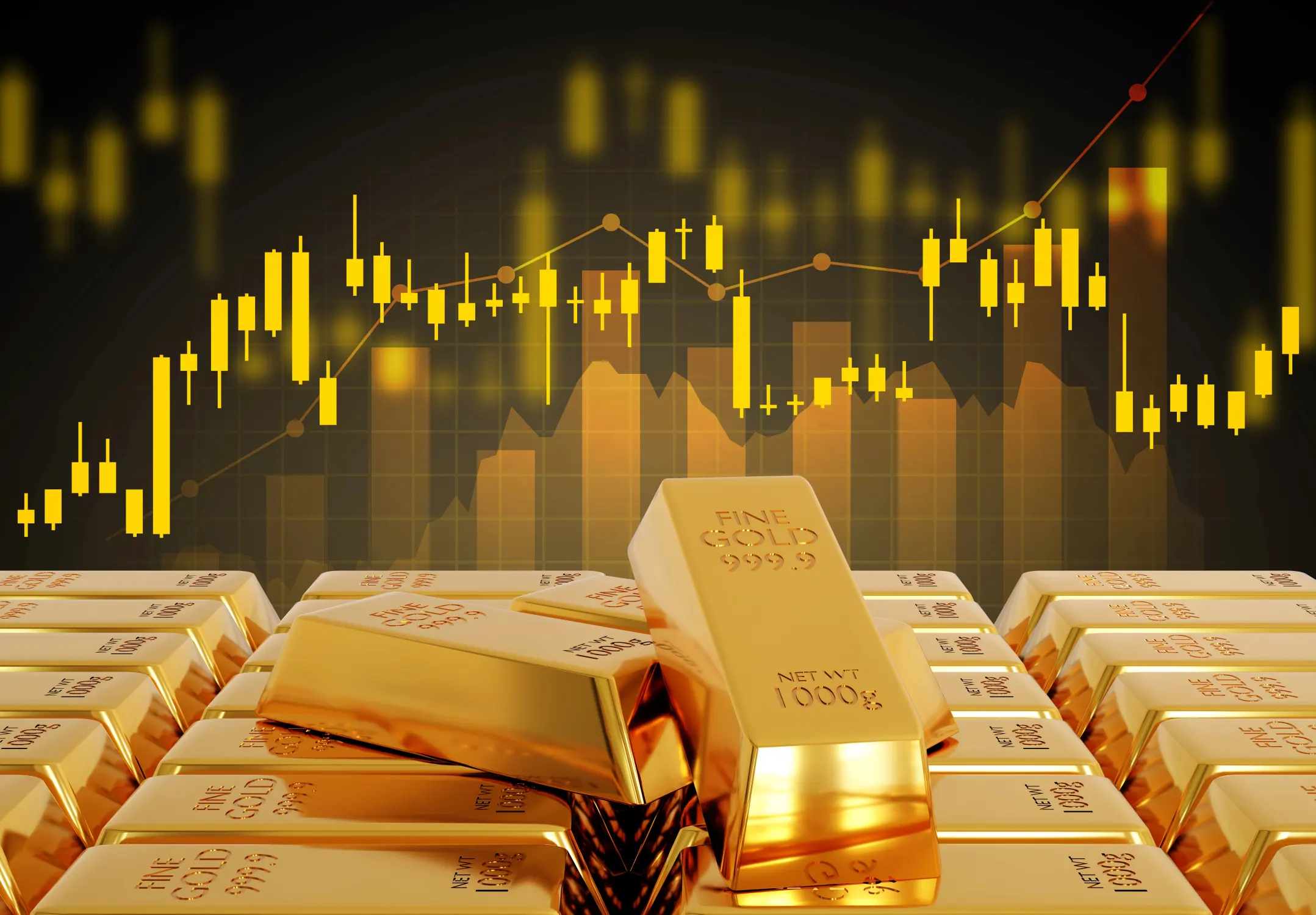
Tuesday saw gold prices rise beyond $4,600 per ounce as the precious metal recovered from a sharp mid-March selloff caused by a rising U.S. currency and changing interest rate expectations. The precious metal mounted a relief rally to close off a stormy first quarter.
A Quarter Of The Extremes
According to Fortune, the metal was trading close to $4,578 per ounce in early Tuesday trading, up $11 over the previous session. By noon, spot prices for gold had risen to about $4,615 per ounce. The increase extended a comeback that started late last week, when gold recovered from its 2026 bottom of $4,370, and marked a daily gain of more than 2%.
The recuperation brings a remarkable month to a close. Early in March, gold reached an all-time high of $5,419 before falling by almost 18% over the next several weeks. Several factors led to the selloff, including a surge in oil prices following Iran’s threat to close the Strait of Hormuz, which raised inflation forecasts and caused markets to reprice expectations of a Federal Reserve rate cut. The first rate decrease is not anticipated until late 2027, and interest rate futures are now pricing in zero Fed rate reductions for 2026.
Rate Expectations And Geopolitics Collide
Gold first surged beyond $5,200 due to the Iran crisis, which intensified following U.S. and Israeli military activities on February 28. However, as the U.S. dollar strengthened due to its role as a haven for energy exporters, the price sharply reversed. Even as geopolitical danger increased, the appeal of gold was weakened by a stronger dollar and higher Treasury yields. Analysts attributed this unique dynamic to paper traders reducing positions due to margin pressure.
On Tuesday, indications of a potential de-escalation in the Middle East contributed to a general improvement in risk sentiment, with the S&P 500 also rising. Gold’s recovery from oversold conditions; its 14-day RSI had dropped to 27.6 in late March, suggested that buyers were returning.
Where Gold Leads From Here
Gold is still up about 46% year over year despite the month’s losses. Prices might reach $6,000 to $6,200 by mid-to-late 2026, according to major institutions like UBS and BNP Paribas, who see the current decline as a healthy correction rather than a trend reversal. A road for the 50-day moving average near $4,807 may be opened by persistent trade above the $4,600 mark, which has appeared as near-term resistance. $4,370 is still the level that traders are keeping an eye on as crucial support on the decline.