
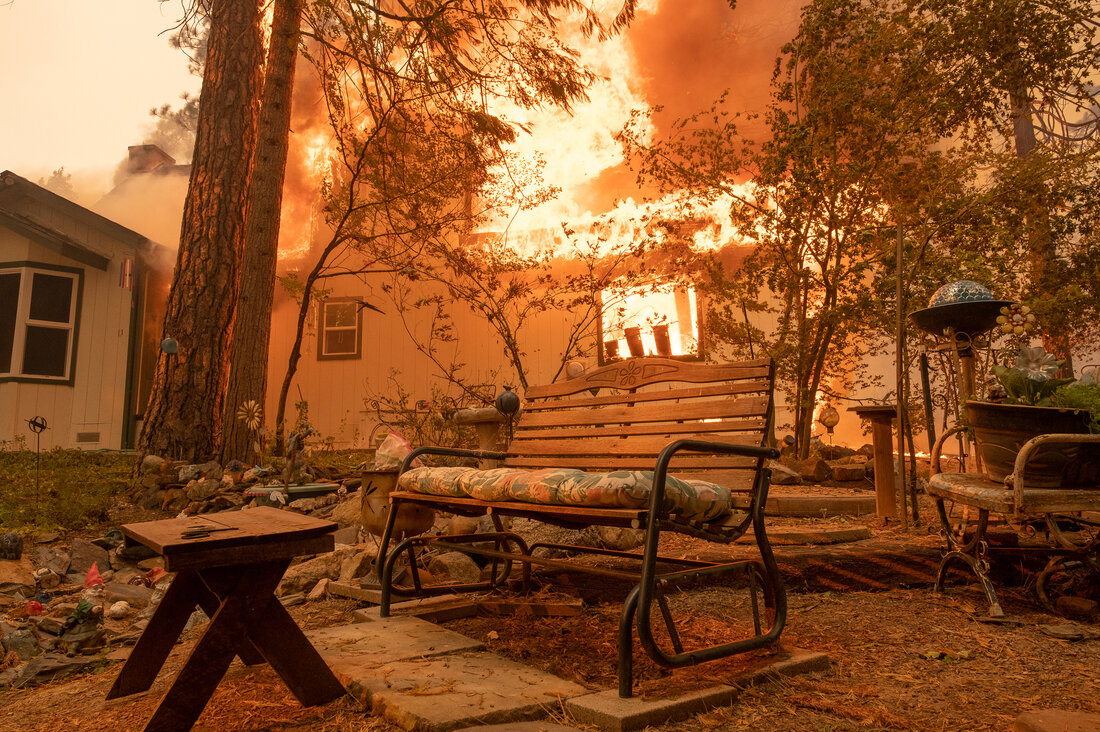
According to Business Insider and the Los Angeles Times, recent wildfires in Los Angeles County have left thousands of people vulnerable in an increasingly unstable insurance environment, further exacerbating the dire situation facing California’s homeowners insurance market.
The Impact Of Climate Change On Insurance
The homeowners insurance market is changing dramatically as a result of climate change, with increased premiums and less coverage becoming more typical. In many places, rates for insurance are increasing 40% more quickly than inflation due to extreme weather occurrences brought on by climate change. Interior states are also impacted, in addition to historically high-risk coastal areas. In response to these difficulties, insurers are increasing premiums, restricting coverage, or even leaving high-risk areas.
As natural catastrophes occur more frequently and with greater intensity, insurers are experiencing an increase in claims and losses.
Some homeowners are having trouble getting or affording insurance in high-risk locations.
By creating new risk models and looking into creative ways to solve climate-related issues, the insurance sector is adjusting.
In light of climate change, government action and policy modifications might be required to guarantee homeowners insurance’s continuous accessibility and cost.
Changes In Geographic Risk
Severe storms and hail damage in formerly low-risk locations are causing a major change in risk profiles in interior states, especially in the Midwest. Coastal areas, particularly Florida and Louisiana, are increasingly vulnerable to hurricanes, which can result in market departures and insurer insolvency. Due to rising wildfire dangers in Western regions like California and Colorado, major insurers like State Farm and Allstate have stopped offering new coverage. A patchwork of insurance availability and affordability issues for homeowners in various places is the result of insurers being forced to reevaluate their coverage methods and pricing structures nationwide due to this geographical redistribution of risk.
Financial Pressure On Insurance
The insurance crisis has an impact on the housing market and the larger economy in addition to individual homeowners. Without insurance coverage, banks are unable to offer mortgages, which might cause property values in impacted areas to drop. As a result, local governments receive less money from property taxes. The insurance system is under a lot of financial strain; according to Swiss Re, property damage claims may increase by more than 60% by 2040. With only $385 million in reserves to cover claims and $24.5 billion in exposure across 15,300 policies in impacted ZIP codes, California’s FAIR Plan—the state’s insurer of last resort—is especially at risk4. Even low-risk locations could see annual hikes of 15-20% as a result of this financial strain, which is likely to lead to additional premium rises and market volatility.
Insurance And Wildfires In California
California’s insurance situation has been made worse by recent wildfires in Los Angeles County, which destroyed over 1,100 buildings and caused damages estimated at $52-57 billion. Nearly 70% of State Farm policyholders were dropped by the firm in July 2024, with the Pacific Palisades region being especially heavily hit. Recent reform initiatives have been successfully thwarted by these disasters, bringing California closer to what experts refer to as a “uninsurable future” in high-risk areas. The state has responded by enacting new regulations that permit insurers to include reinsurance costs in premiums and mandate that they raise coverage in high-risk areas by 5% every two years. These initiatives might not be sufficient, though, to stop the large insurers from leaving the state at an accelerated rate.