
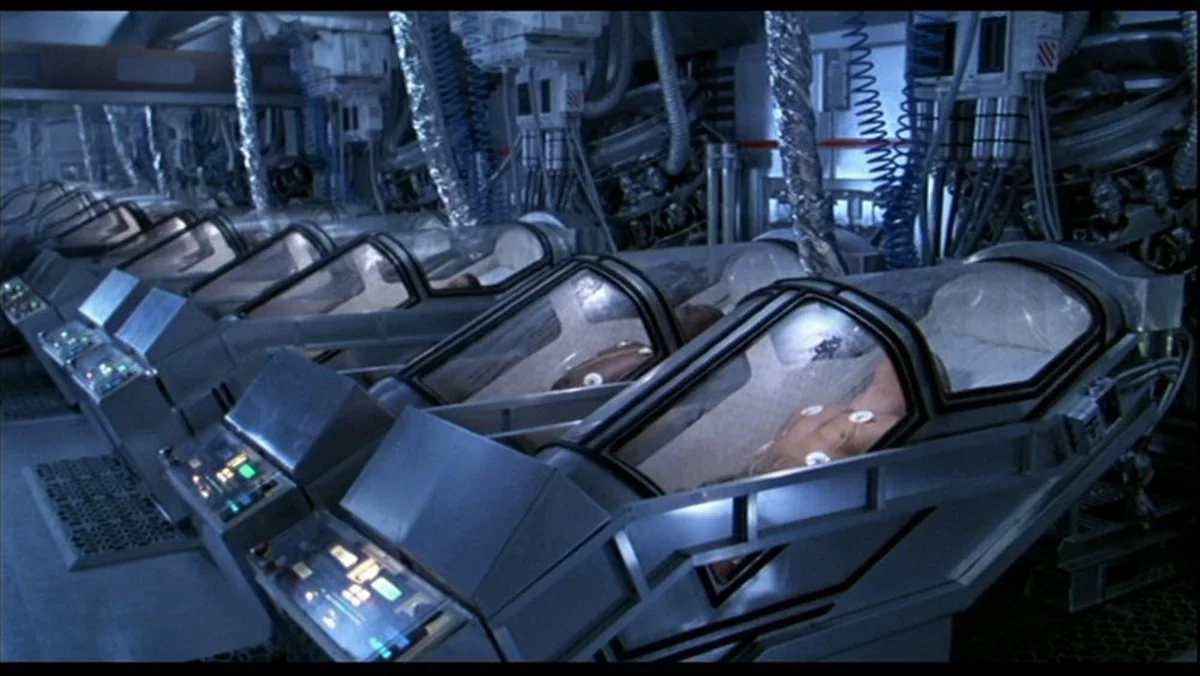
Once limited to science fiction, the idea of human hibernation is currently being seriously investigated by scientists, with potential uses ranging from long-duration space travel to medicinal treatments. Researchers are looking into how memories might be maintained over prolonged periods of torpor, which is a crucial factor in the creation of human hibernation strategies, according to the University of Oxford.
Current Torpor Research
The goal of current torpor research is to comprehend and maybe duplicate the biological processes that enable some animals to experience a decrease in body temperature and metabolism. The chemical pathways that cause and sustain torpor as well as the defense systems that shield organs from harm while in this state are of special interest to scientists.
Investigating naturally hibernating animals, such ground squirrels and bears, to determine the physiological and genetic elements that facilitate their hibernation is one exciting field of research. Scientists are also investigating the possibilities of artificial hibernation inducers, like hydrogen sulfide, which has demonstrated promise in causing mice to enter a condition akin to torpor1. The goal of these experiments is to create safe and efficient techniques for causing regulated torpor in people, which could have uses in space travel and medical therapies. Nonetheless, there are still many obstacles to overcome, such as the necessity of addressing the absence of hibernation adaptations in the human body and the possible dangers of artificially triggering this state.
Difficulties And Their Effects On Medicine
Human hibernation has intriguing potential advantages, but before it is implemented, there are important obstacles and potential health risks that need to be considered. The fact that humans do not normally hibernate and do not have the physiological adaptations that hibernating animals do is a significant obstacle. During artificially induced torpor, the lack of natural systems presents hazards to metabolic processes and organ function.
Beyond space flight uses, human hibernation research has medical ramifications. Research points to the possibility of using a hibernation-like condition to lower metabolic demands and preserve tissues in the treatment of traumatic injuries, stroke, and cardiac arrest. But long-term repercussions on human physiology, such as immune system responses, muscle atrophy, and bone density loss from prolonged inactivity, must be carefully taken into account by researchers3. Furthermore, there is still much to learn about the psychological impacts of extended hibernation on human awareness and memory recall.
Applications Of Space Travel
Space agencies like NASA and ESA are interested in human hibernation research because they believe it could help address the problems associated with long-duration space travel12. During interplanetary travel, the idea of putting astronauts in a condition of torpor may have the following benefits:
Decreased use of resources, such as oxygen, water, and food.
Reduced psychological strain on crew members on long-haul flights.
Reduced risk of bone loss and muscular atrophy due to meticulous metabolic management.
The concept of employing hibernation-like states for space flight has spurred significant scientific inquiry, even if it is currently primarily speculative. Given its potential to transform space exploration, NASA has devoted study to investigating the possibility of human hibernation. There are still many obstacles to overcome, though, such as the necessity to create safe techniques for causing and sustaining torpor in people and deal with the physiological difficulties of prolonged metabolic suppression in the particular conditions of space.
Frontiers Of Future Hibernation
In order to close the gap between science fiction and reality, future research on human hibernation is concentrating on a few crucial areas. With a focus on the neuroprotective processes seen in hibernating mammals, researchers are examining the molecular pathways involved in establishing and sustaining torpor. This discovery has the potential to enhance outcomes for stroke patients and provide new treatments for neurological disorders like Alzheimer’s.
The creation of genetic and pharmacological instruments to produce or control human sleep states is another exciting avenue. Scientists are also looking at the possibilities of artificial hibernation inducers, such hydrogen sulfide, which has demonstrated promise in causing non-hibernating animals to enter torpor-like states. The ethical issues surrounding hibernation research, such as animal welfare and possible human uses, will need to be carefully considered as these studies develop4. The ultimate objective is to create safe techniques for causing regulated torpor in people, which could have uses in everything from long-duration space travel to critical care medicine.