
The nuclear power industry is experiencing a remarkable comeback as the world gets ready to commemorate the 40th anniversary of the Chornobyl accident on April 26. According to the World Nuclear Association, there are currently about 75 reactors under construction worldwide, and over 120 more are planned, driven by rising electricity demand from artificial intelligence, climate targets, and new government commitments.
A New Partnership And Aspiring Goals
When China and Brazil formally joined the worldwide commitment to triple global nuclear energy capacity by 2050, which was first stated at COP28 in 2023, the momentum picked up speed in March 2026, bringing the coalition to 38 countries. Global capacity could reach 1,446 gigawatts by 2050, significantly above the current objective of 1,200 gigawatts, according to a World Nuclear Association analysis released in January. According to independent projections from the International Atomic Energy Agency, capacity could more than quadruple from 377 gigawatts at the end of 2024 to 992 gigawatts by the middle of the century.
In 2024, nuclear power produced a record 2,667 terawatt-hours of electricity, or over 9% of the world’s total power supply. After a poor 2025 in which worldwide capacity actually decreased, BloombergNEF projects that roughly 15 reactors will come online in 2026, contributing about 12 gigawatts of new capacity.
Data Centers And AI Change The Formula
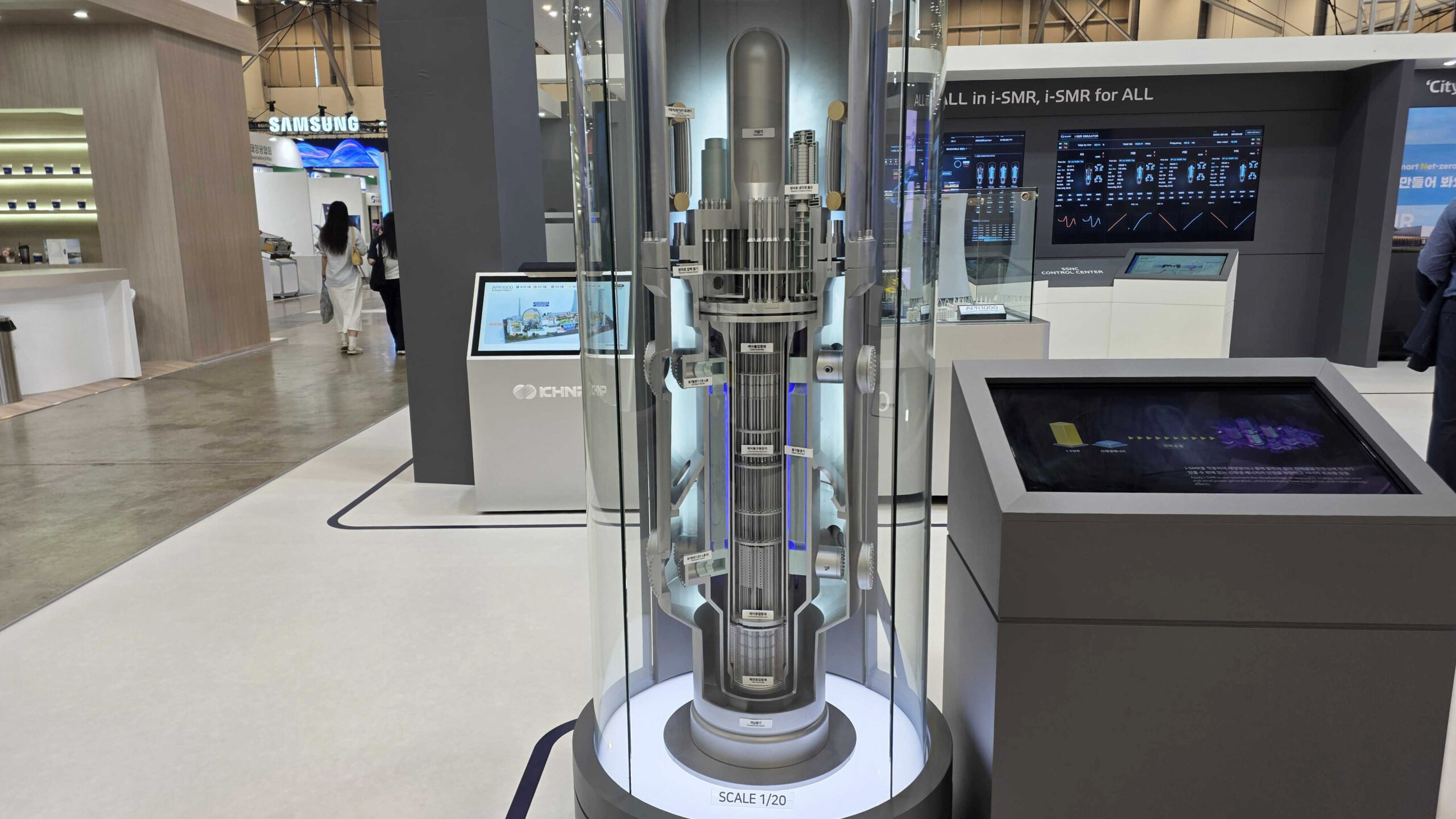
The argument for nuclear energy is changing as a result of the digital economy. Leaders from 19 nations convened this week at a significant nuclear industry conference in Busan, South Korea, with the subject “Nuclear energy for the AI era,” citing estimates that data center electricity demand might exceed 1,300 terawatt-hours by 2035. UN News reports that between 2023 and 2024 alone, the need for data centers increased by over 75%. Over the past 18 months, major digital companies, including Microsoft, Google, Amazon, and Meta, have committed more than $30 billion to nuclear initiatives.
With the passivation of its major system finished in late March, Holtec International’s attempt to restart the Palisades nuclear station in Michigan, which would be the first American reactor brought back from decommissioning, is still moving forward in the United States. By 2050, the U.S. Department of Energy wants to quadruple the nation’s nuclear capacity to 400 gigawatts.
The Shadow Of Chernobyl And A Transformed Industry
The United Nations has designated April 26 as International Chornobyl Disaster Remembrance Day, serving as a reminder of the dangers. Over 3.5 million people were impacted by the 1986 explosion, which also poisoned almost 50,000 square kilometers. However, the industry now operates under quite different safety standards, and this month the World Economic Forum emphasized that politicians worldwide are viewing nuclear power as vital infrastructure for the digital age rather than just a climate instrument.
The issue facing the industry is no longer whether nuclear power will expand, but rather whether it can scale quickly enough to fulfill demand, as the delegates to the Busan meeting made evident.