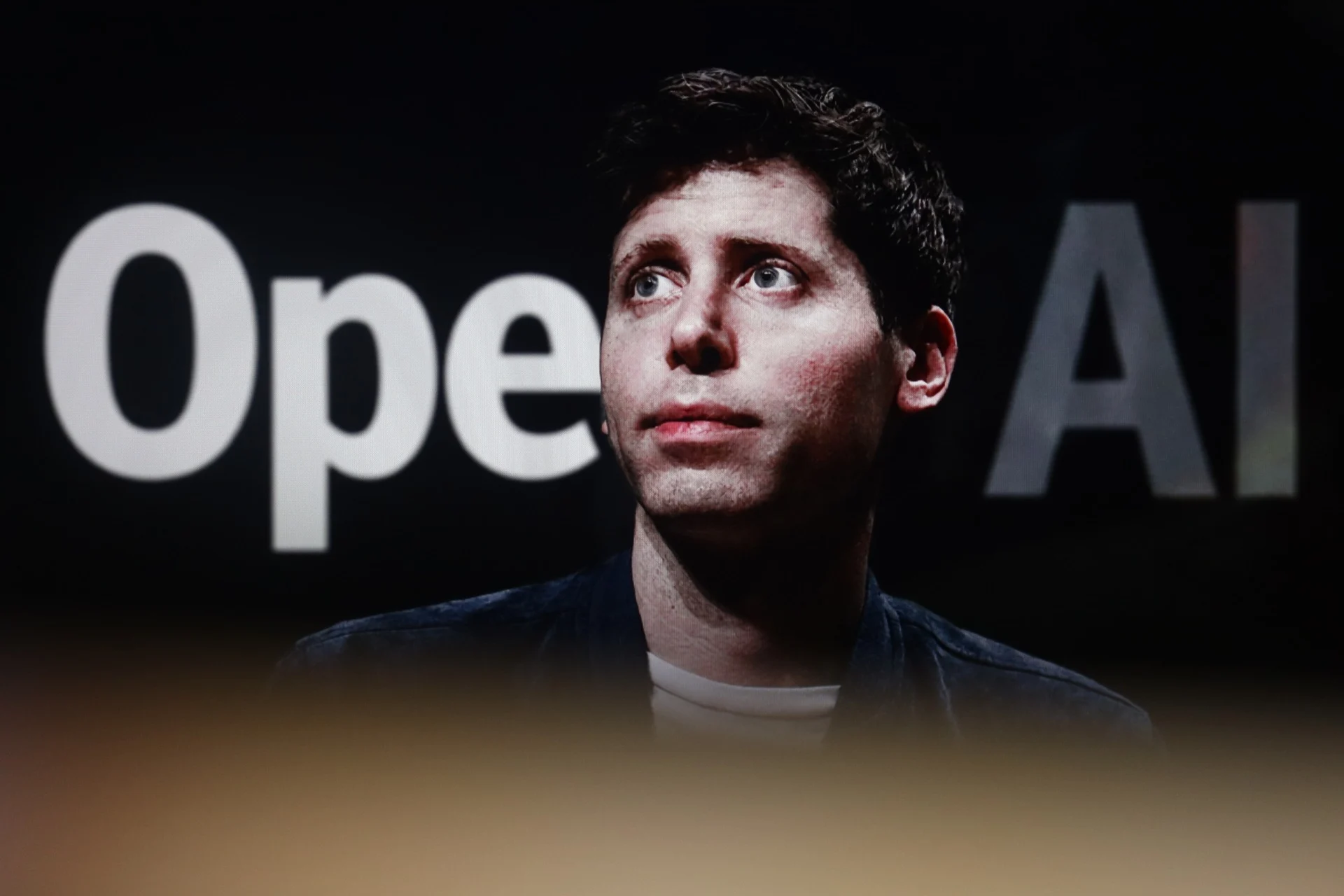
When Sam Altman took to X to address the company’s controversial Pentagon contract, it wasn’t a routine update, it was damage control in real time.
Following employee pushback, user cancellations, protests outside OpenAI’s San Francisco offices, and a surge of sign-ups to Anthropic, the company revised key parts of its original agreement with the U.S. Department of Defense.
According to Altman, the initial contract was rushed. The agreement reportedly used the same language that Anthropic had previously refused and was finalized within 24 hours of the Pentagon banning its rival. Altman described the situation as “opportunistic and sloppy,” acknowledging that OpenAI moved too quickly.
In one of his most striking remarks, Altman said he would “rather go to jail” than comply with an unconstitutional order, signaling the legal and ethical tension surrounding AI partnerships with military institutions.
Research scientist Noam Brown clarified that OpenAI will not be deploying to the NSA or other Department of Defense intelligence agencies for now, as loopholes in the agreement are being addressed. Altman also held an internal all-hands meeting, describing the deal as complex but ultimately the right decision, while admitting it came with extremely difficult brand consequences and negative public relations impact.
The fallout was swift and visible. Employees voiced concerns internally, some users canceled subscriptions, and protests emerged outside the company’s offices. Meanwhile, Anthropic reportedly experienced a surge in new sign-ups as customers looked for alternatives. For a company that built its reputation on responsible AI development and safety, the optics of a rapidly executed Pentagon contract created immediate trust challenges.
This moment goes beyond a single agreement. It highlights the growing tension between powerful AI labs and government agencies seeking advanced capabilities. As artificial intelligence becomes increasingly embedded in national security conversations, the structure, transparency, and oversight of these partnerships matter more than ever.
The situation underscores how quickly public perception can shift in the AI era. Trust, once questioned, is difficult to restore. Even with amended contract language, the reputational impact may linger longer than the headlines.
OpenAI’s revisions may ease immediate concerns, but the broader debate around ethics, defense collaboration, and corporate responsibility in AI is far from settled. In an industry built on innovation, credibility may prove to be the most valuable asset of all.