
President Donald Trump has unveiled a contentious plan for the United States to “take over” and redevelop the Gaza Strip, promising to relocate its Palestinian residents and turn the war-torn region into a prosperous area under American control, according to reports from a number of news outlets.
Trump’s Gaza Strategy
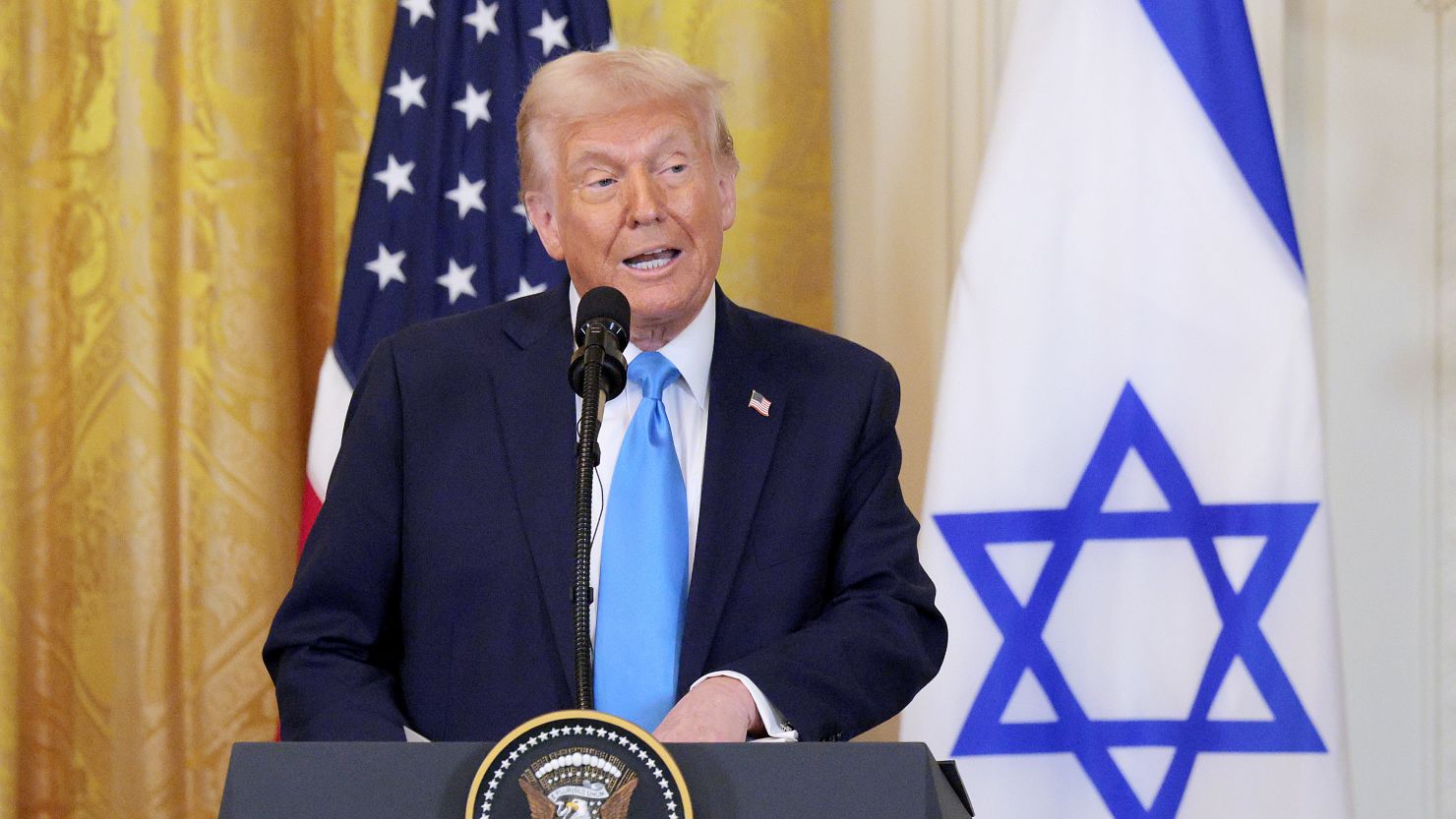
In a joint news conference with Israeli Prime Minister Benjamin Netanyahu on February 4, 2025, President Donald Trump presented a bold proposal for the Gaza Strip. Trump has stated that “We’ll own it and be responsible for dismantling all of the dangerous unexploded bombs and other weapons on the site” in reference to the proposal for the United States to assume ownership and responsibility for the region. Leveling the land, demolishing damaged structures, and establishing new commercial ventures are all part of the plan. Although he did not specify how the United States would purchase the property or carry out the plan, Trump sees this as a long-term ownership position that may stabilize the Middle East56.
Palestinian Relocation
The evacuation of the almost 2 million Palestinians who currently live in Gaza is a crucial component of Trump’s plan. The president recommended that these inhabitants be relocated to other Middle Eastern states, citing Egypt and Jordan in particular as possible locations. With his claims that Gaza is “uninhabitable” and a “hellhole,” Trump urged people to avoid going back there. Despite early opposition, he was certain that these nations would eventually welcome Palestinian refugees, saying that “other countries will accept also.” Given that it would entail the forced relocation of an entire community, this contentious element of the plan presents serious humanitarian and geopolitical issues.
Netanyahu’s Response And Issues
“Something that could change history” and “worth pursuing” were the words used by Israeli Prime Minister Benjamin Netanyahu in response to Trump’s proposal. But there are serious questions about the plan’s viability and possible repercussions. Critics may raise concerns about the humanitarian ramifications of forcefully removing about 2 million Palestinians as well as the legitimacy of such a takeover under international law. Furthermore, numerous questions concerning the proposal’s feasibility and possible effects on regional stability remain unanswered due to its vagueness regarding implementation, financing, and diplomatic contacts with other Middle Eastern nations.