
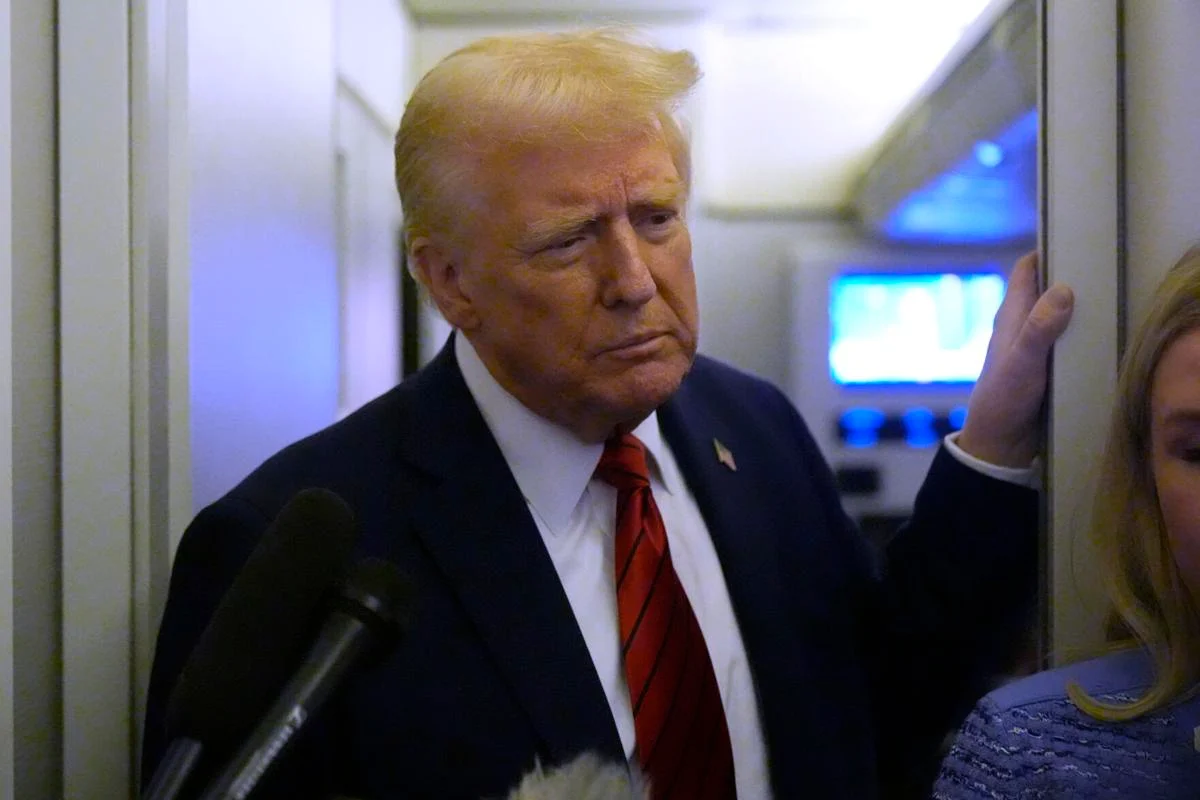
Just before the directive was about to go into effect, a federal judge temporarily blocked President Donald Trump’s administration from enforcing a ban on federal grants and loans, according to reports from Politico and Bloomberg.
Funding Freeze Blocked By Judge
Just minutes before the Trump administration’s federal funding freeze was about to go into effect, U.S. District Judge Loren AliKhan issued a temporary restraining order on January 28, 2025. In order to give time for other legal actions to address the possible consequences of the freeze, the order will be in effect until at least February 3, 2025. A White House memo advocating for an ideological review of funding allocations targeted federal financial assistance programs, such as grants and loans, and this judicial intervention maintains the status quo for these programs.
Trump’s Directive’s Scope
Acting White House Office of Management and Budget Director Matthew Vaeth sent out a note requesting that all government financial aid programs be put on hold while an ideological assessment was conducted. Numerous programs were targeted by this broad moratorium, including those pertaining to diversity, equality, and inclusion (DEI), environmental projects, and foreign aid. The directive threatened to disrupt funding for vital programs like Medicaid, disaster assistance, education, and public health services, even if Social Security and Medicare benefits were spared.
The freeze was justified by the Trump administration as a “waste of taxpayer dollars” to avoid “Marxist equity, transgenderism, and green new deal social engineering” initiatives. The directive’s wide scope immediately sparked worries about how it would effect trillions of dollars in federal assistance, impacting a wide range of programs and recipients nationwide.
Political And Legal Reactions
Nonprofits and state governments immediately challenged the freeze in court, claiming it would injure grant recipients irreparably and go against Congress’ constitutional control over federal spending. According to legal experts, the directive probably violates federal law and previous Supreme Court decisions that forbid presidents from taking unilateral action to seize funds that Congress has appropriated. Democratic leaders have denounced the decision as irresponsible and unlawful, including Senator Chuck Schumer and Attorney General Letitia James of New York. Governor Tim Walz of Minnesota has stated that “We will see President Trump in court” as a number of states are contemplating more challenges against the Trump administration.
Consequences For Vital Services
Many state agencies and charitable organizations that depend significantly on federal support are deeply concerned about the sudden federal budget suspension. Essential services in a number of areas could be disrupted by even a short financing pause:
Healthcare: Uncertainty surrounds important programs like Medicaid.
Education: School districts and institutions may encounter funding shortfalls.
Disaster response: FEMA and other emergency agencies could be disrupted.
Public health initiatives: This could have an effect on community health programs and ongoing research.
Protection of the environment: Initiatives to combat climate change may be delayed.
A rush for information has resulted from this ambiguity, as impacted organizations try to understand how the freeze will effect their business operations and the communities they serve.