
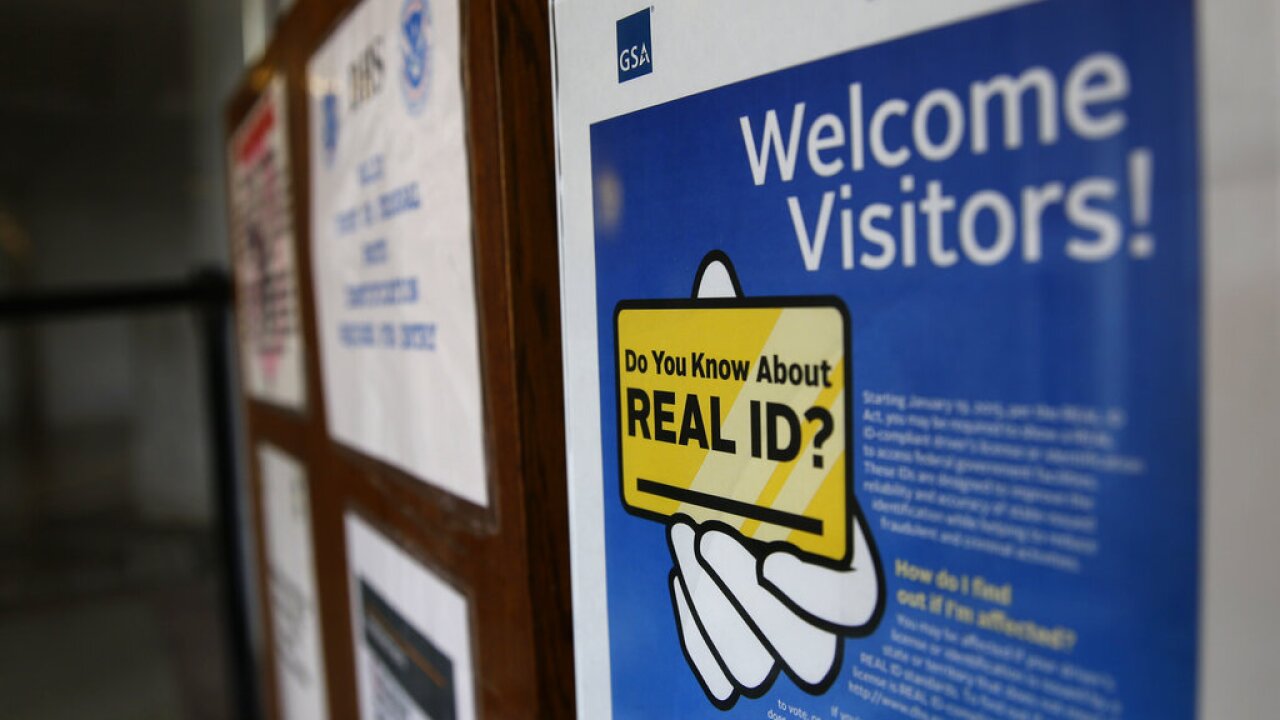
The identity requirements for domestic air travel and access to some federal institutions may alter significantly for U.S. passengers as the REAL ID enforcement date of May 7, 2025, draws near. Beginning on this date, all passengers who are 18 years of age or older must have a REAL ID-compliant driver’s license, state-issued identification, or an approved substitute in order to board domestic flights, according to the Transportation Security Administration.
REAL ID Deadline Information
In response to the 9/11 Commission’s recommendations, Congress approved the REAL ID Act in 2005, which established minimum security requirements for ID cards and driver’s licenses issued by the state. The Department of Homeland Security has chosen May 7, 2025, as the final enforcement date, following multiple delays brought on by the COVID-19 pandemic. Access to specific federal facilities and boarding of commercial airplanes subject to federal regulation are subject to this deadline. Officials emphasize that this date is anticipated to be implemented without any further extensions, therefore travelers are advised to take action before the deadline to prevent any interruptions to their travel arrangements.
Alternatives And Requirements For Compliance
Identification cards and licenses must have a star in the top right corner in order to be REAL ID compliant. U.S. passports, Department of Defense IDs, permanent resident cards, and trusted traveler cards are all acceptable substitutes. Even without the star, Enhanced Driver’s Licenses (EDLs) from the states of Washington, Michigan, Minnesota, New York, and Vermont are acceptable for REAL ID purposes. The Transportation Security Administration (TSA) offers a comprehensive list of approved forms of identification at airport security checkpoints for individuals who are unable to obtain a REAL ID. It is important for travelers to be aware that they can still use non-compliant IDs to vote, drive, and get medical care.
Rates Of Compliance Nationwide
The Transportation Security Administration (TSA) reports that 81% of REAL IDs are being used at checkpoints, with an anticipated 61% of REAL IDs being used nationwide as of March 2025. This indicates that almost two out of ten persons still lack the necessary paperwork, which raises questions about possible problems once enforcement starts. The approaching deadline, according to TSA officials, may result in long queues at security checkpoints, confusion among travelers, and irate customers who might be refused boarding or subject to additional screening if they do not have a REAL ID or an authorized substitute.
Traveler Preparation Steps
Travelers should bring original documentation proving their entire legal name, date of birth, Social Security number (or exemption), and proof of name changes, if applicable, to their state’s DMV in order to receive a REAL ID. To speed up the procedure, it is recommended to pre-screen papers online. Alternative forms of identification, such as a U.S. passport or trusted traveler card, can be used by anyone who is unable to obtain a REAL ID before the deadline. To prevent any travel difficulties, travelers are advised to verify compliance on their existing ID (look for a star or flag symbol) and take action well in advance of the May 7, 2025 deadline.