
President Donald Trump rejected Tehran’s 14-point counterproposal on Sunday, labeling it “TOTALLY UNACCEPTABLE” and comparing the ceasefire to a patient with “about a 1 percent chance of survival.” As a result, the fragile ceasefire between the United States and Iran entered its most hazardous phase to date. Iran reacted defiantly, with parliament speaker Mohammad Bagher Ghalibaf declaring on Tuesday that the United States “has no alternative” but to accept the demands, and a senior member cautioning that if hostilities resume, Tehran may enrich uranium to weapons-grade 90% purity.
An Expanding Divide
Hours after Iran responded to the most recent American peace offer, which called for an end to hostilities as a prelude to more extensive talks over Iran’s nuclear program, Trump dismissed Iran. According to CNBC and Reuters, Tehran’s counteroffer called for the easing of sanctions, the freeing of Iranian assets that had been frozen, an end to the U.S. naval blockade, sovereignty over the Strait of Hormuz, and war reparations. Iran also attempted to keep nuclear negotiations apart from the issue of reopening the Strait, a demand that the Trump administration has vehemently rejected.
“I have just reviewed the reply from Iran’s so-called ‘Representatives,'” Trump wrote on Truth Social, expressing his disdain. “I am not pleased— TOTALLY UNACCEPTABLE!” he told reporters, calling the truce “on massive life support” and calling the proposal “a piece of garbage.”
Brinkmanship In Nuclear
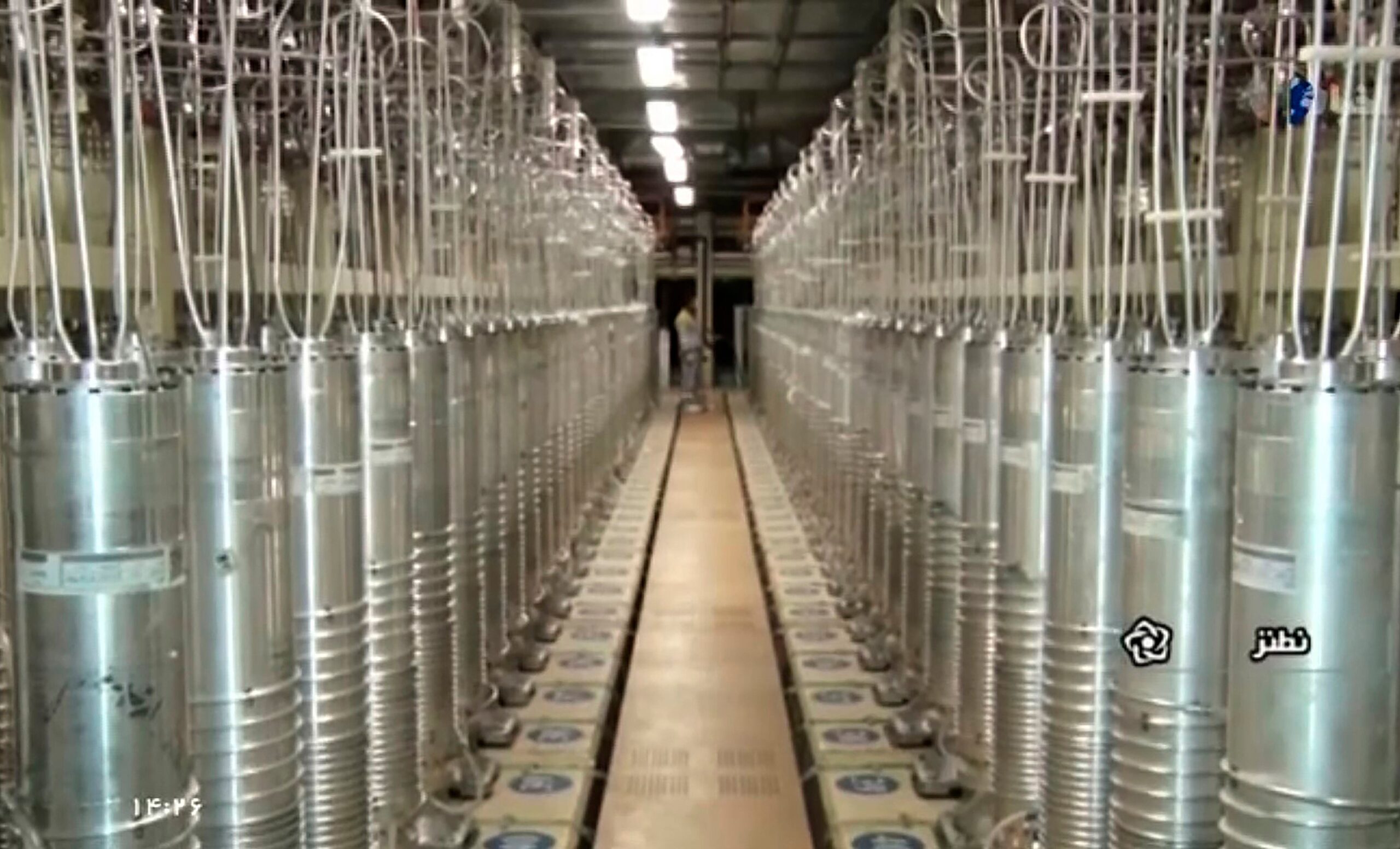
The biggest barrier is still the nuclear subject. Iran must give over all of its enriched uranium, including about 440 kg that have been enriched to 60% purity, and stop enrichment for 20 years, according to U.S. demands. Iran refuses to dismantle its nuclear facilities, but it has offered to dilute some of the material or transfer it to a third country in exchange for a shorter moratorium.
Iran’s National Security and Foreign Policy Committee spokesperson, Ebrahim Rezaei, intensified the rhetoric on Tuesday by stating on X that “one of Iran’s options in the event of another attack could be 90 percent enrichment.” The parliament will examine it. Iran’s current stockpile could be transformed into weapons-grade material in one to two weeks, sufficient for about eleven nuclear bombs, according to Steve Witkoff, Trump’s special envoy.
Lifelines Of Diplomacy
Defense Secretary Pete Hegseth has insisted that “the ceasefire is not over,” stating that Trump alone will decide whether Iranian provocations qualify as a breach, notwithstanding the impasse. Both sides have engaged in many gunfights in the Persian Gulf since the truce was announced on April 8. As part of “Project Freedom,” an effort to escort stalled commercial vessels through the Strait of Hormuz, the U.S. military has sunk Iranian small craft and intercepted missiles.
On Wednesday, Trump is slated to arrive in Beijing for a summit with Chinese President Xi Jinping on May 14 and 15, during which the Iran dispute is anticipated to be the main topic of conversation. China has been asked to “join us in this international initiative” to reopen the Strait by U.S. Treasury Secretary Scott Bessent. The survival of the ceasefire may depend on Beijing’s ability to use its influence over Tehran to break the deadlock.